Metal processing
Innovative equipment for metal processing
Construction Technology
Innovative construction technology for professionals
Working at LISSMAC
Innovation and diversity under one roof
LISSMAC – we are driven by ideas
We rely on experience and system competence. Against this background, LISSMAC Maschinenbau GmbH is comprised of four business divisions: Construction Technology, Metal Processing, Plant Engineering and MT handling. Worldwide, more than 400 employees at five locations in Germany, France, the USA and the United Arab Emirates ensure the highest levels of customer satisfaction.
Four business areas
Corporate movie
News
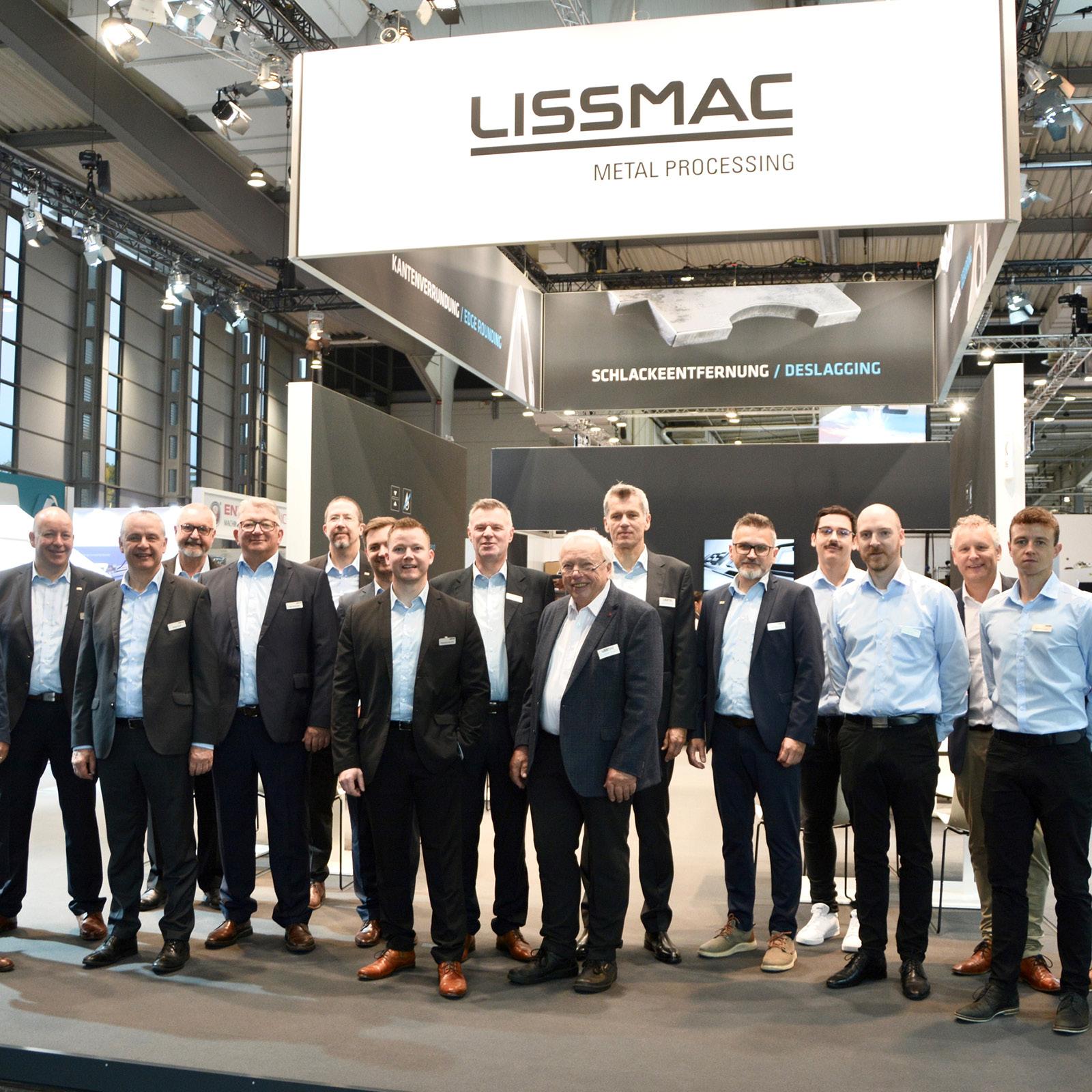
LISSMAC Brings New Momentum to Automated Sheet Metal Processing
Auf der EuroBLECH 2026 präsentiert LISSMAC ein breites Spektrum an Lösungen für das Schleifen, Entgraten und Automatisieren. Im Mittelpunkt des Messeauftritts in Halle 14, Stand L05, steht die neue SMD 122, eine kompakte Einstiegsmaschine zur Entgratung, Kantenverrundung und Finishing von Blechbauteilen. Eine Besonderheit in dieser Maschinenklasse ist die Kombination aus Magnet- und Vakuumtechnik in einem Maschinentisch. Das Vakuum ist dabei frequenzgesteuert einstellbar. Dadurch lassen sich unterschiedlichste Materialien und Werkstücke, insbesondere Kleinteile, sicher fixieren und bearbeiten. Drehzahlgeregelte und elektrisch einstellbare Bearbeitungsaggregate ermöglichen eine an die jeweilige Anwendung angepasste Bearbeitung. Mit ihrer kompakten Bauweise richtet sich die SMD 122 insbesondere an Unternehmen, die einen wirtschaftlichen Einstieg in die maschinelle Schleif- und Entgrattechnik suchen. Die SMD 3 EVO steht für die nächste Generation der bewährten LISSMAC SMD-3-Baureihe und wurde speziell für anspruchsvolle Aufgaben beim Entgraten, Kantenverrunden und Finishen entwickelt. Das überarbeitete Maschinenkonzept ermöglicht eine flexible Bearbeitung unterschiedlicher Materialien, Blechdicken und Werkstückgeometrien und überzeugt zugleich durch eine besonders servicefreundliche Konstruktion. Ein neues, intuitives 13,3 Zoll HMI mit moderner Steuerung und übersichtlicher Menüführung erleichtert die Bedienung, verkürzt die Einarbeitungszeit und unterstützt den Bediener bei der Einrichtung und Überwachung der Bearbeitungsprozesse. Über RFID lassen sich individuelle Berechtigungsebenen für verschiedene Nutzergruppen verwalten, sodass sensible Maschinenparameter ausschließlich von autorisiertem Personal angepasst werden können. Die serienmäßige Werkzeugverschleißkompensation trägt dazu bei, eine gleichbleibend hohe Bearbeitungsqualität sicherzustellen, indem Verschleiß automatisch ausgeglichen und die Bearbeitung präzise nachgeregelt wird. Zusätzlich unterstützt der integrierte LISSMAC Setup Assist (LISA) den Bediener bei der Maschineneinrichtung und beim Produktwechsel mit klar strukturierten Abläufen und praxisnahen Bedienhinweisen direkt am HMI. Dadurch lassen sich Rüstvorgänge effizienter durchführen, Bedienfehler reduzieren und wiederkehrende Bearbeitungsaufgaben schneller vorbereiten. Auf der EuroBLECH können Besucher die SMD 3 EVO erstmals live erleben und sich von ihrer Kombination aus hoher Prozesssicherheit, einfacher Bedienung, zuverlässiger Technologie und moderner digitaler Unterstützung überzeugen. LI-CELL - Die intelligente Automatisierungszelle für die Blechbearbeitung Mit der LI-CELL rückt LISSMAC die Automatisierung von Be- und Entladeprozessen an Entgratmaschinen in den Mittelpunkt. Speziell für KMU mit High-Mix-Low-Volume-Anforderungen. Die Zelle reduziert manuelle Handhabungsschritte, verbessert den Materialfluss und integriert sich wirtschaftlich in bestehende Hallenstrukturen ohne aufwendige Umbauten. Ausgestattet mit einem KI-gestützten Erkennungssystem erkennt die LI-CELL Bauteile automatisch, ohne CAD-Daten oder Programmierkenntnisse, und startet den Prozess in nur wenigen Schritten: Palette einschieben, Parameter bestätigen, Anlage starten. Das intuitive HMI ermöglicht auch Mitarbeitern ohne IT-Hintergrund eine eigenständige Inbetriebnahme. Für maximale Sicherheit sorgt ein integrierter Sicherheitscheck vor jedem Zyklus, der Roboter prüft Saugeranzahl, Teilgewicht und Schwerpunkt, bevor die Maschine startet. Mit einer Traglast von 0–20 kg und Bauteilgrößen von 30×30 mm bis 1200×800 mm deckt die Zelle das gesamte Spektrum der Blechbearbeitung ab. Der Smart-Loop-Mode zum Be,- und Entladen via Reversierbetrieb ermöglicht die Mannlose Bearbeitung mit nur einem Roboter. Mit unseren Automatisierungslösungen möchte Lissmac die Anwender dabei unterstützen, ihre Bearbeitungsprozesse durchgängiger zu gestalten, manuelle Arbeitsschritte zu reduzieren und vorhandene Fertigungskapazitäten effizienter zu nutzen. Die SBM-L G1S2 EVO von LISSMAC ist ein leistungsstarkes High-End-Modell für die effiziente und präzise Bearbeitung von Blechteilen. Stanz-, Laser- und Plasmaschnittteile aus Stahl, Edelstahl, Aluminium und NE-Metallen können mit der Maschine vollständig beidseitig in nur einem Arbeitsgang entgratet werden, sodass ein manuelles Wenden der Werkstücke entfällt. Die SBM-L G1S2 EVO ist in Arbeitsbreiten von 1000, 1500 und 2000 mm erhältlich. Je nach Ausführung können Materialien mit einer Stärke von 0,5 bis 60 mm und einem Gewicht von bis zu 300 kg pro Meter bearbeitet werden. Durch die beidseitige Bearbeitung in einem Durchgang lassen sich bis zu 60 Prozent Zeit einsparen. Zusätzlich verfügt die Maschine über ein neues, intuitives HMI mit moderner Steuerung und übersichtlicher Menüführung, das die Bedienung vereinfacht, die Einarbeitungszeit verkürzt und den Bediener bei der Einrichtung und Überwachung der Bearbeitungsprozesse unterstützt. Über RFID lassen sich individuelle Berechtigungsebenen für verschiedene Nutzergruppen verwalten, sodass sensible Maschinenparameter ausschließlich von autorisiertem Personal angepasst werden können. Der integrierte LISSMAC Setup Assist begleitet den Bediener bei der Maschineneinrichtung und beim Produktwechsel mit klar strukturierten Abläufen und praxisnahen Bedienhinweisen direkt am HMI – wodurch Rüstvorgänge effizienter durchgeführt, Bedienfehler reduziert und wiederkehrende Aufgaben schneller vorbereitet werden. Zu den weiteren Vorteilen zählen eine mögliche Energieeinsparung von bis zu 70 Prozent gegenüber konventionellen Systemen, die einfache Integration in bestehende Produktionslinien sowie die Automatisierbarkeit mit Robotik-Lösungen. Drei Bearbeitungseinheiten auf der Ober- und Unterseite sorgen für eine optimale Kantenqualität und gleichmäßige Oberflächen. Für die effiziente und präzise Bearbeitung von Kleinteilen bietet Lissmac mit der SBM-XS 300 G1E1 eine kompakte, leistungsstarke Lösung. Die Maschine ist speziell für Teile aus Stahl, Edelstahl und Aluminium konzipiert mit Blechdicken von 1 bis 15 mm und Abmessungen von 25 x 25 mm bis maximal 200 x 200 mm Ihre Arbeitsbreite beträgt 300 mm, ideal für hochflexible Anwendungen. Ein entscheidender Vorteil: Die SBM-XS arbeitet beidseitig in einem Durchgang ohne manuelles Wenden der Werkstücke und fördert die Bauteile automatisch zur Bedienerseite zurück ohne weiter Rückführfördertechnik. Damit werden Innen- und Außenkonturen simultan entgratet und verrundet, was zu höchster Produktivität und konsistenter Qualität führt. Die beidseitige Bearbeitung spart Zeit und senkt den senkt den Energieverbrauch um bis zu 60 %. Eine kompakte Maschine die Flexibilität, Effizienz und Präzision in der Kleinteilbearbeitung auf höchstem Niveau liefert.
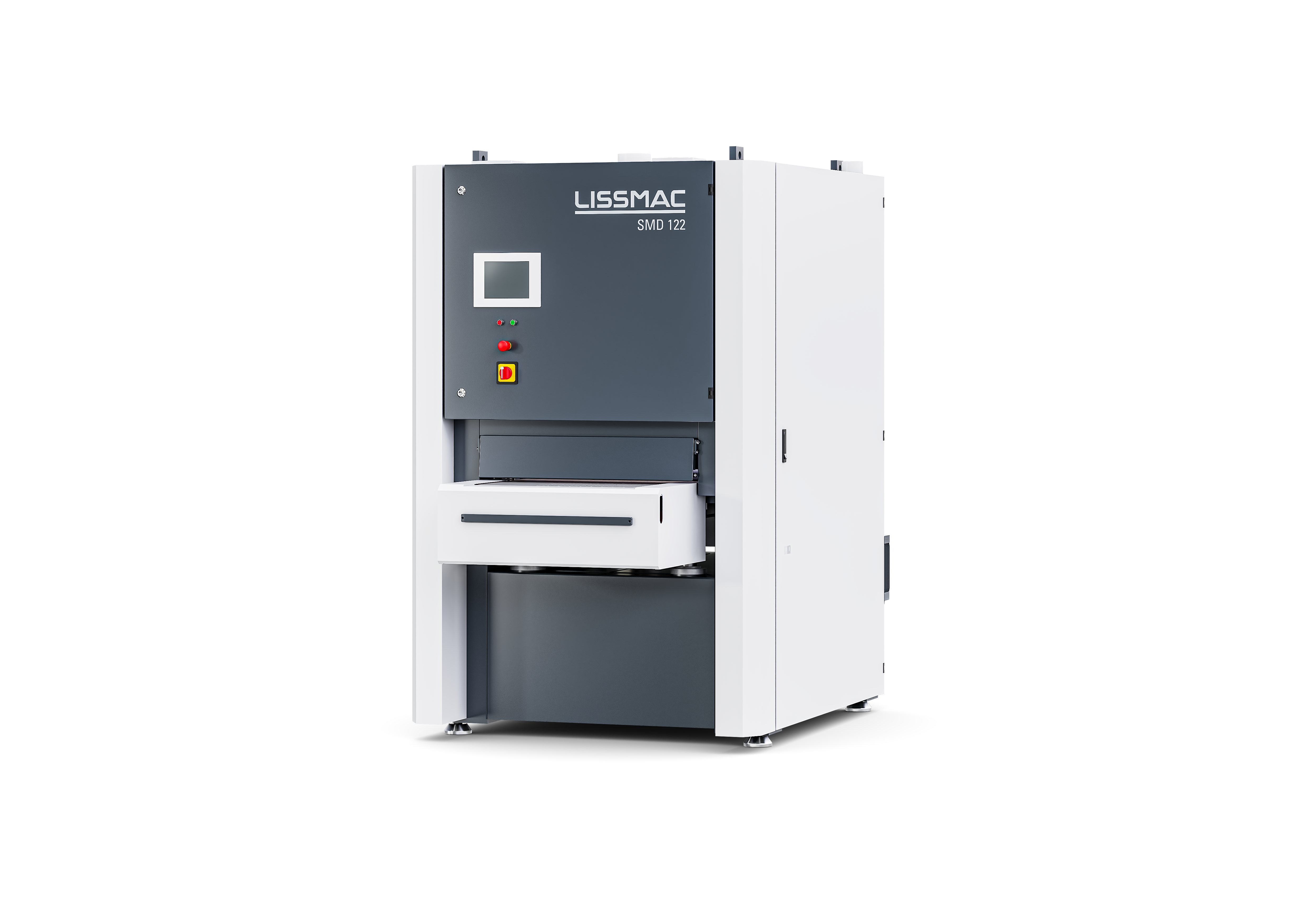
NEW: SMD 122 RE
LISSMAC Introduces the SMD 122 RE: Automating Deburring and Edge Rounding for Fabricators of Every Size New machine eliminates manual finishing with combined magnetic and vacuum fixation in the most compact footprint in its class MECHANICVILLE, N.Y. - Thursday, September 10, 2026 - For fabricators still hand-grinding burrs off laser-cut, punched, or stamped parts, LISSMAC Corporation has a new answer. The company recently announced the all-new SMD 122 RE, a single-sided deburring and edge rounding machine that replaces one of the most labor-intensive finishing steps in metal fabrication with a consistent, automated process. The result: lower cost per part, less time on the shop floor, and a footprint of just over 31 square feet. The SMD 122 RE makes its North American debut at FabTech Las Vegas, October 21-23, 2026, at Booth C3448, where it will be running live on the show floor. Parts that come off a punch press, laser cutter, or plasma table carry sharp edges and burrs that create downstream problems - inconsistent welds, poor paint adhesion, coating failures, and real safety risks for anyone handling them on the shop floor. Manual deburring addresses the problem, but inconsistently and at significant labor cost. The SMD 122 RE replaces that step with a continuous, automated process that delivers consistent edge quality on every part, every pass, at feed rates up to 19.7 feet per minute. What sets the machine apart from others in its class is its combined magnetic and vacuum workpiece fixation table, which ships as standard equipment. Most machines require separate configurations to handle non-ferrous materials. The SMD 122 RE handles carbon steel, stainless steel, and non-ferrous materials on a single unit without reconfiguration - an important advantage for shops running mixed-material workflows. The table accommodates parts as small as 2 inches by 2 inches and material thicknesses from 0.04 to 3.9 inches, making it well suited for thin-gauge sheet metal, precision-stamped components, and close-tolerance fabricated parts. "The SMD 122 RE lets fabricators of all sizes achieve reliable, automated deburring without sacrificing valuable floor space or flexibility," said Ingo Heiland, Vice President of LISSMAC Corporation. "No matter if you're working with carbon steel, stainless steel, or non-ferrous materials, this machine gets the job done." Engineered in Germany and built on the proven platform of LISSMAC's SMD 123 RE, the machine includes as standard equipment an inspection window, interior lighting, USB interface, integrated extraction plumbing, and program memory. Flap wheel consumables are identical to those on the SMD 123 RE, reducing the transition cost for existing LISSMAC customers. Fabricators interested in seeing results on their own parts before purchasing can participate in LISSMAC's sample parts program at no charge. LISSMAC ships a presentation box containing before-and-after sample parts, accepts customer-supplied parts for processing, and returns the finished samples with a live video recording of the run. The SMD 122 RE will be running live at FabTech Las Vegas, Booth C3448, October 21-23, 2026. For more information, visit oour website or contact LISSMAC at sales@lissmac-corporation.com. About LISSMAC CorporationLISSMAC Corporation is the North American subsidiary of LISSMAC Maschinenbau GmbH, a German manufacturer of metal processing equipment specializing in deburring, edge rounding, surface finishing, and deslagging systems. Engineered in Germany and supported in North America from Mechanicville, New York, LISSMAC machines serve fabricators across the automotive, aerospace, construction, and precision manufacturing industries. More information is available at lissmac.com.
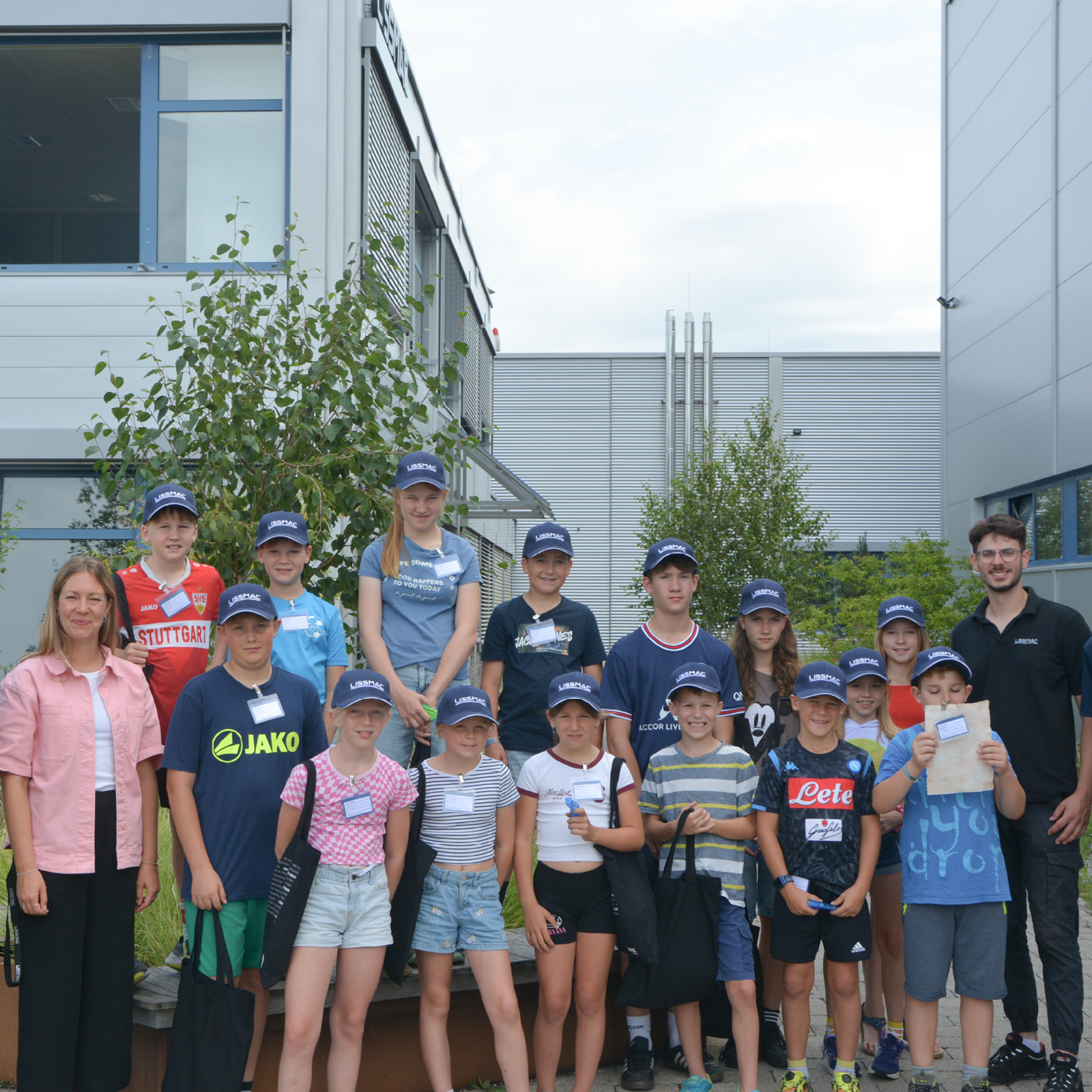
2026 Summer Program at LISSMAC
As part of the 2026 summer program, children visited LISSMAC. The program included a quiz and a scavenger hunt centered on LISSMAC. This gave the children a chance to learn about the company in a fun way. Many thanks to everyone who helped organize the event.
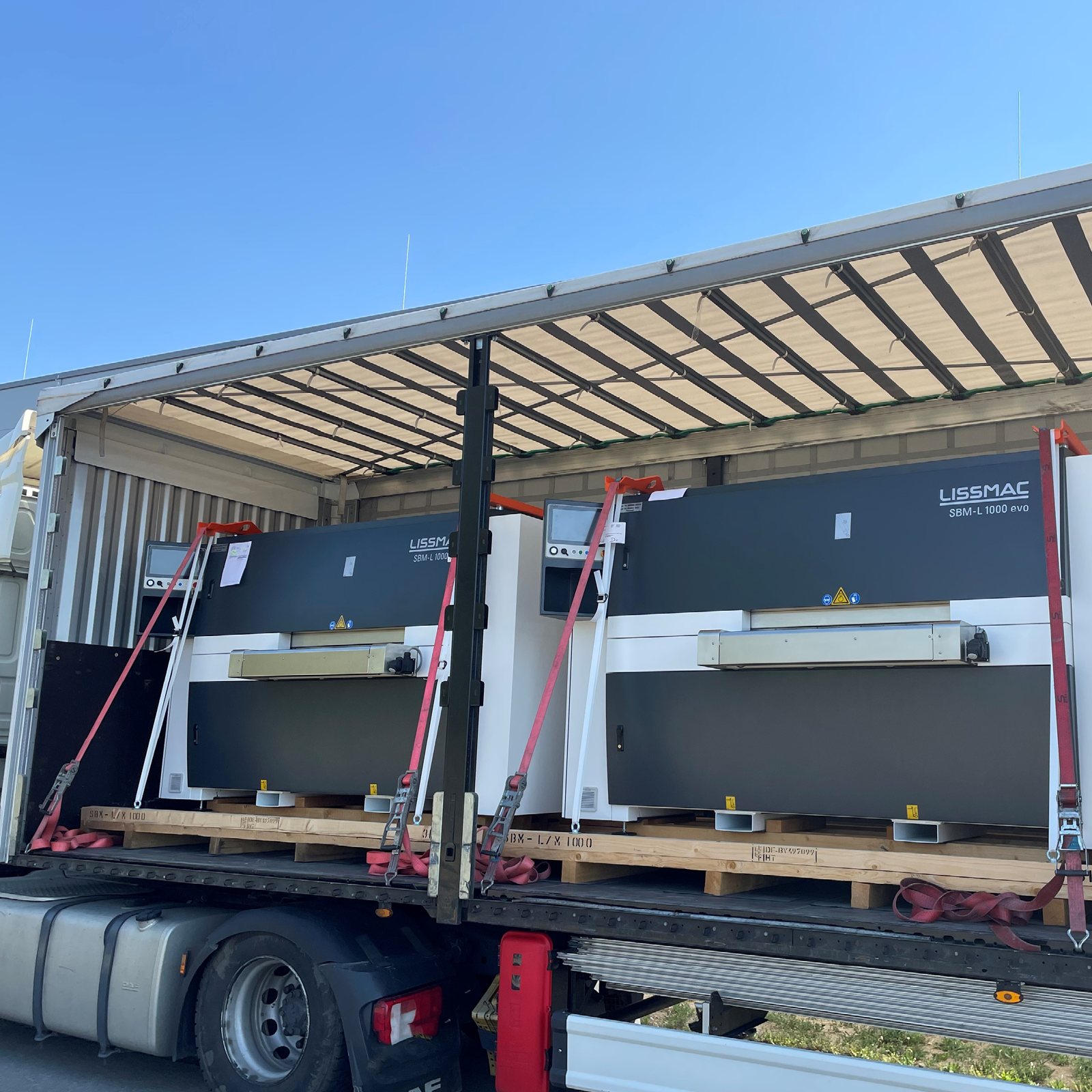
LISSMAC Twins on Their Way to the Customer
In just a few days, these two LISSMAC grinding and deburring machines will begin operation at our customer’s facility. To ensure the highest quality in the deburring process, our customer relies on strict material separation: one machine for steel, and the second specifically for stainless steel. By choosing the SBM series for double-sided machining, the customer is also prioritizing maximum process efficiency. The workpieces are machined on both the top and bottom sides in a single operation—with minimal effort required for material handling. Two machines, two clearly distinct areas of application, and a shared goal: consistently high machining quality and efficient manufacturing processes. We look forward to seeing these two “twins” in operation at the customer’s site soon!
Employee Information – July 2026
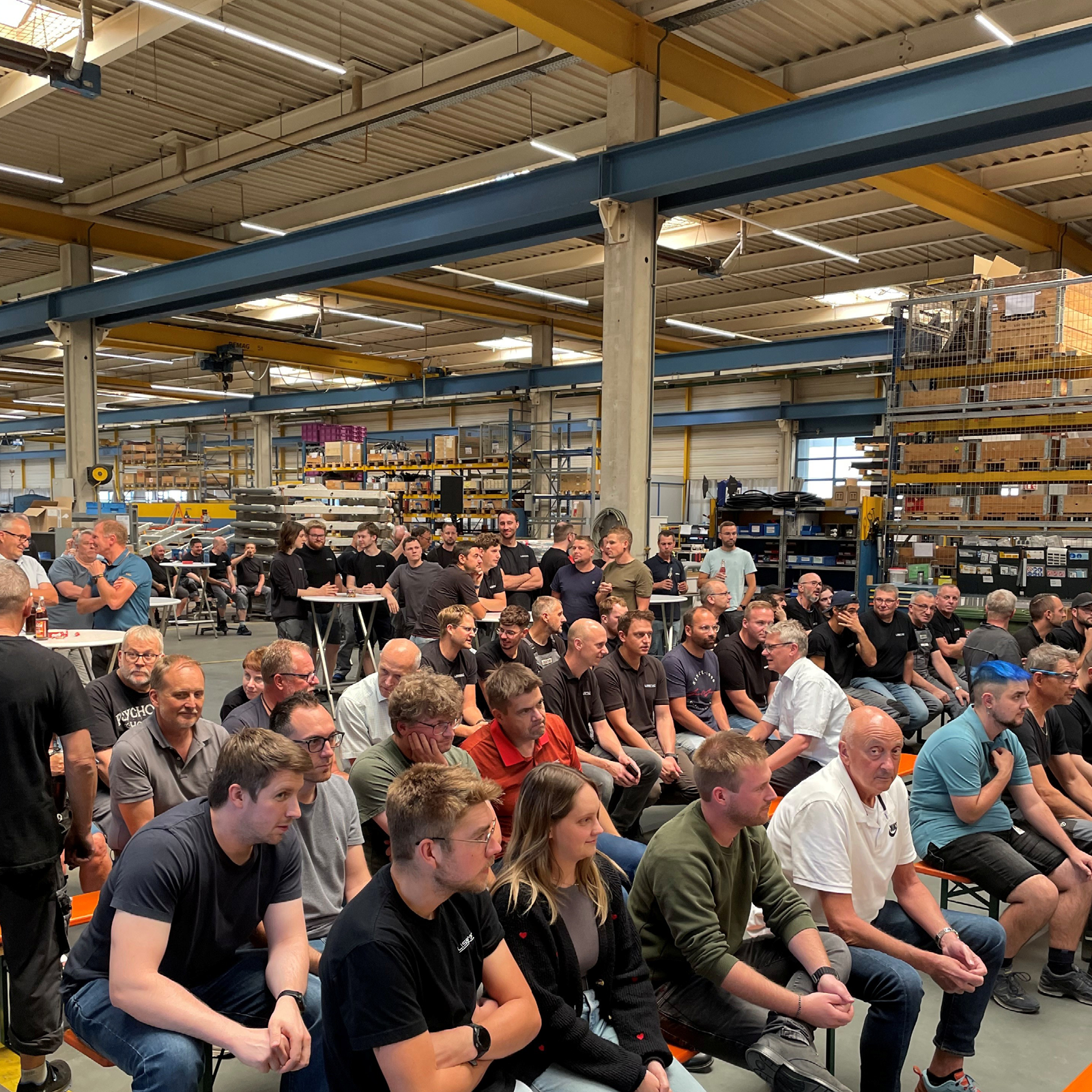
Yesterday, we held our quarterly employee update. Together, we reviewed current topics, developments, and news from our company. Afterward, our team was delighted to receive their new T-shirts and polo shirts. An ice cream truck provided the perfect way to cool off. During the cozy get-together that followed, there was also time for personal conversations, sharing ideas, and simply enjoying each other’s company. Thank you to everyone who attended!
Experience Technology Up Close! - Bad Wurzach Technical High School
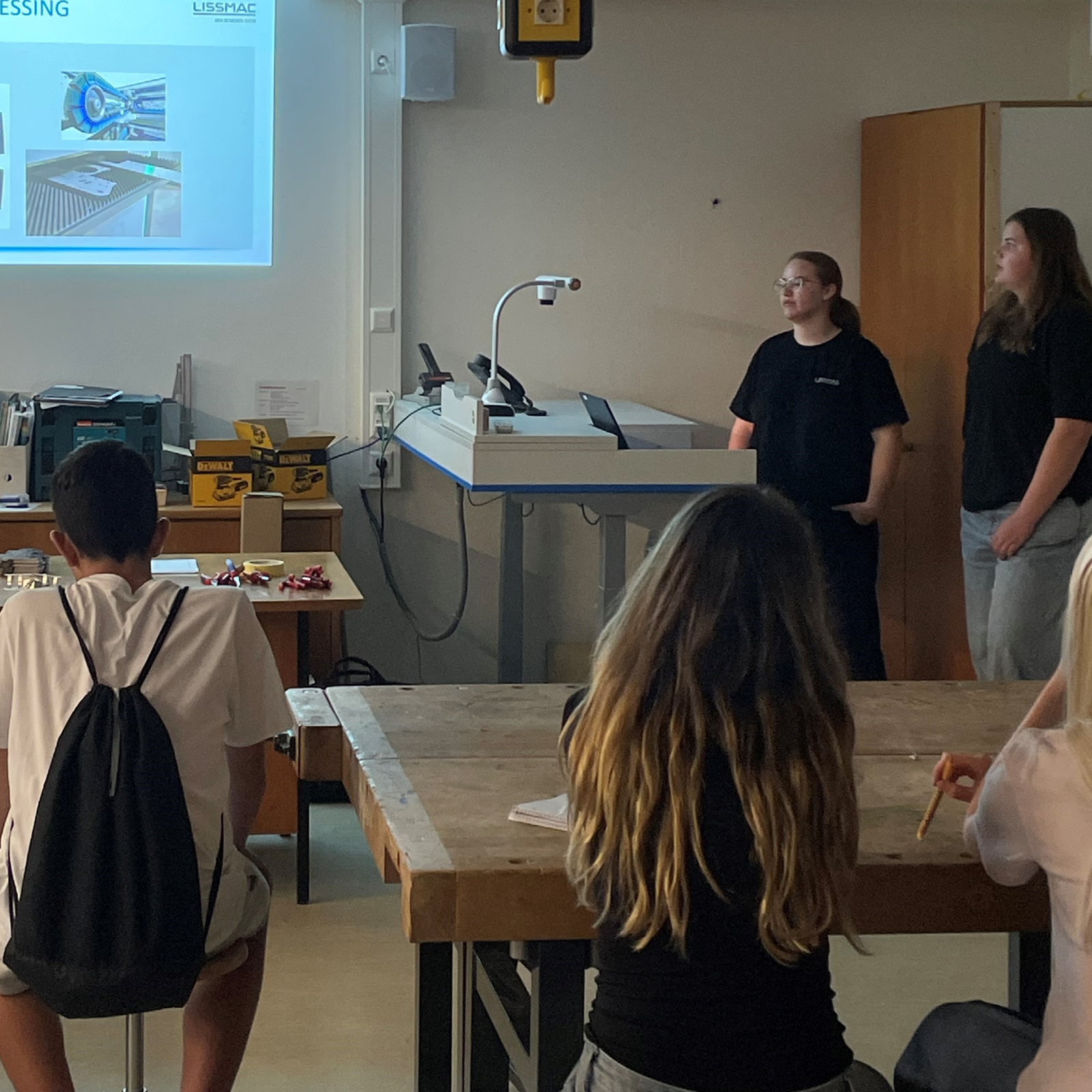
As part of our educational partnership with the Werkrealschule Bad Wurzach, we welcomed 36 students to our career exploration camp. After a brief presentation on our apprenticeship and degree programs, the participants worked alongside our apprentices to build a model airplane, gaining exciting insights into technical careers in the process. Many thanks to the Bad Wurzach Technical High School, as well as to our apprentices and the training coordinator, for their outstanding dedication!
Dealer of the Year 2025 - REW Machines
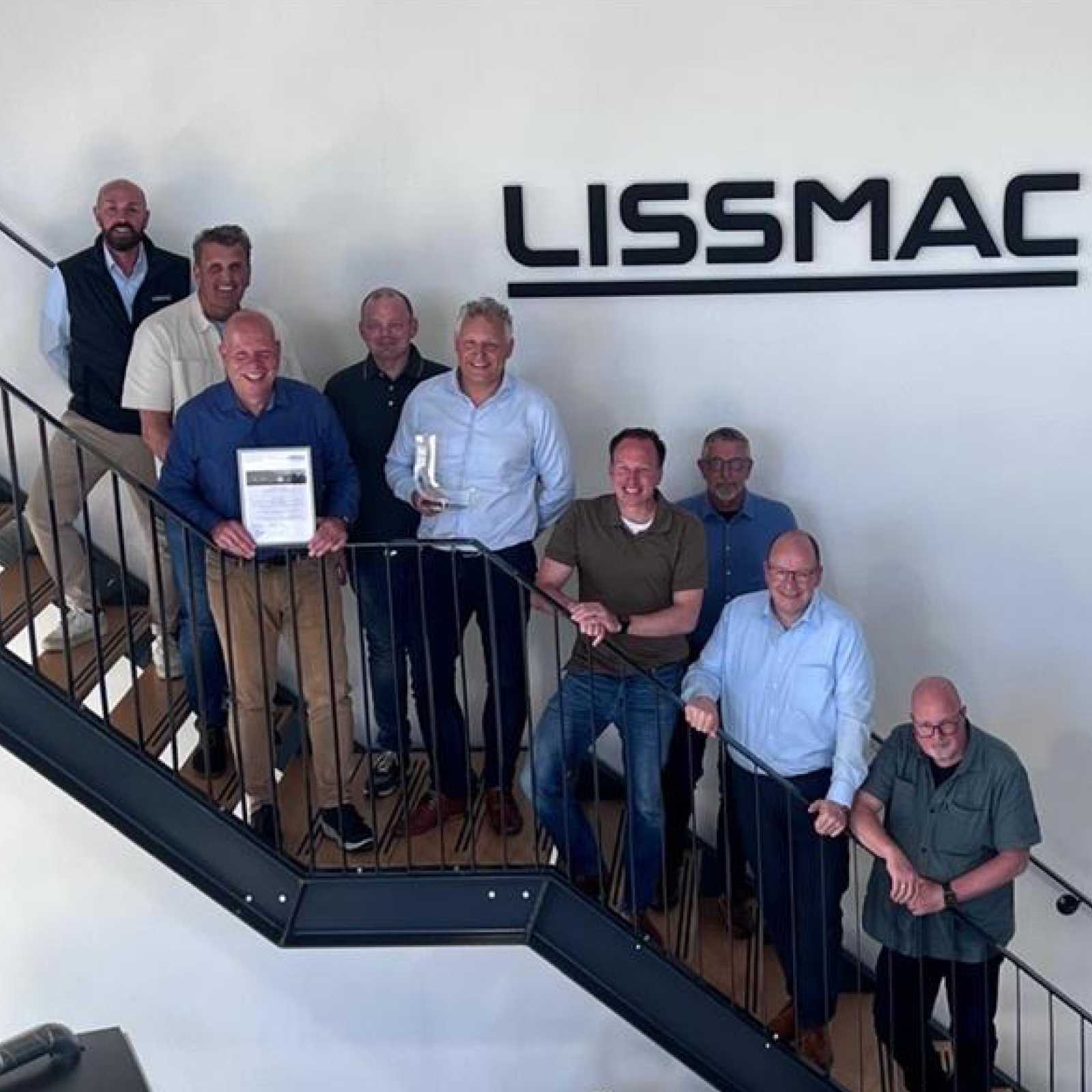
Dealer of the Year 2025 – Strong partnerships pay off We are proud to announce: REW Machines has been named “Dealer of the Year 2025” by LISSMAC Maschinenbau GmbH.This award is the result of commitment, dedication, and true teamwork – something we are very proud of.It was presented together with a high-quality trophy and a certificate, recognizing the strong sales performance of Lissmac deburring machines.Together, we have established a demo center in the Benelux region to serve the market more effectively and in a hands-on way. Customers benefit from real-life testing and well-informed decisions – where technology meets application. A big thank you to the REW Machines team for the strong partnership and consistent efforts in the market. We look forward to continuing this journey together – with a clear focus on growth and customer value. Here’s to a successful and ambitious 2026!
The Importance of Deburring in Modern Manufacturing
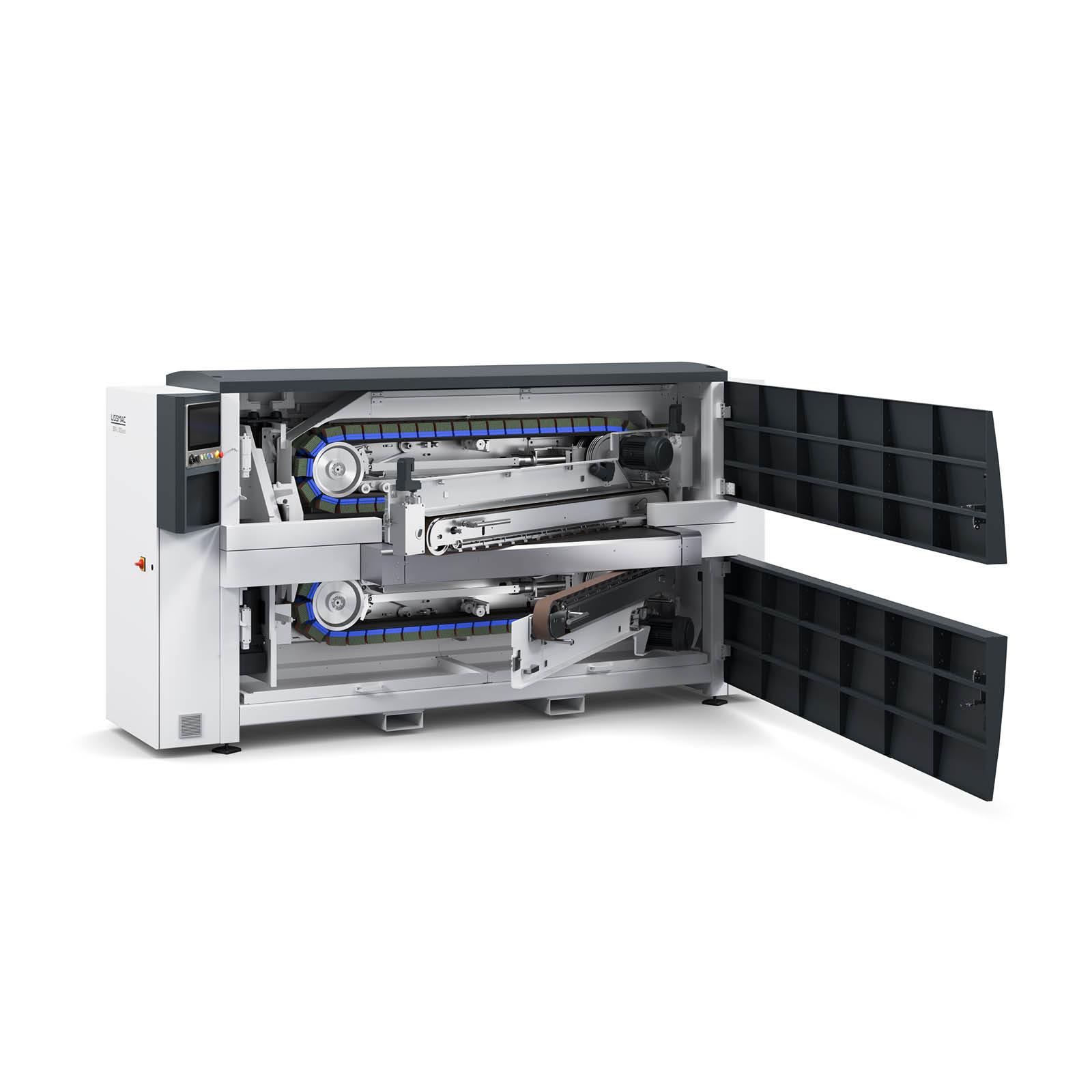
The Importance of Deburring in Modern Manufacturing Deburring’s critical impact on product quality, workplace safety, and operational efficiency cannot be overstated. In metal processing, burrs - unwanted rough edges or protrusions - are an inevitable byproduct of cutting, machining, or welding. This article highlights the essential role of deburring in ensuring high-quality manufacturing outcomes and streamlining operations. What is Deburring, and Why is It Crucial? Burrs can be classified into two primary categories: thermal burrs and mechanical burrs. Thermal burrs are created during processes involving heat, such as plasma cutting, while mechanical burrs arise from metal-to-metal contact, like punching or machining. Regardless of the source, these imperfections can have far-reaching consequences if not properly addressed. Proper deburring eliminates these rough edges, which can pose significant safety hazards and quality issues. Sharp edges can injure workers, damage manufacturing equipment, or compromise the safety of the end user. In metal fabrication facilities, workplace safety is a top priority, and deburring plays an essential role. By eliminating sharp edges, manufacturers can reduce the risk of injuries to workers handling the components. This proactive measure minimizes the likelihood of costly and concerning workers’ compensation claims and fosters a safer working environment. Deburring ensures smoother and safer handling during manufacturing and throughout the product's lifecycle. Safety isn’t just an added benefit - it’s a critical aspect of the manufacturing process that underscores the value of effective deburring. Moreover, deburring contributes to the production of high-quality components. Removing burrs promotes better welding and paint adhesion, improves the appearance of finished products, and ensures compliance with industry standards. Without deburring, paint or powder coatings may fail to adhere properly to surfaces, leading to premature wear and higher warranty claims. These claims can be costly, requiring manufacturers to replace or repair faulty parts, process returns, and potentially lose customer trust, impacting long-term business relationships. Additionally, rejected parts during quality control create inefficiencies that ripple through the production line, generating unnecessary waste. From a sustainability perspective, effective deburring helps reduce material waste and energy consumption. By ensuring components meet quality standards the first time, manufacturers can avoid rework and the environmental cost of scrapping defective parts. This aligns with broader industry trends toward sustainable manufacturing practices, as minimizing waste and optimizing processes contribute to a smaller environmental footprint. In this way, deburring not only enhances product quality and customer satisfaction but also supports a more sustainable and cost-efficient production process. Modern Solutions: Efficiency and Effectiveness The efficiency of deburring processes has advanced significantly, with modern deburring machines setting new standards. In the past, manufacturers relied on labor-intensive manual deburring methods or noisy tumbling processes that were time-consuming and often inconsistent. Tumbling, for instance, involved placing smaller parts into a large vibrating bowl filled with abrasive materials. While functional, this method creates an unpleasant work environment and lacks precision. Modern deburring machines, in contrast, provide a quieter, cleaner, and more efficient alternative. Newer systems allow manufacturers to deburr both sides of a component simultaneously in a single pass. This dual-sided deburring capability minimizes handling time, reduces operational costs, and ensures consistent quality across all parts. Additionally, advancements in edge rounding are addressing evolving industry needs. Where sharp edges were once more acceptable, many applications now require edges to be completely rounded and smoothed. This change reflects a growing emphasis on consumer safety. Beyond safety and efficiency, deburring significantly impacts the quality and performance of metal products in subsequent processes like coating, welding, and painting. Some modern deburring machines can be used to round the sharp edges, a rounded edge increases the surface and gives the coating better adhesion. This capability enhances the durability of coatings, prolonging the lifespan of components and reducing the need for rework or repairs. In welding applications, properly deburred edges improve joint quality and reduce the risk of weld defects, contributing to stronger, more reliable products. Cost Savings and Efficiency Gains One of the most compelling benefits of modern deburring techniques is their ability to reduce production costs while increasing efficiency. Manual deburring methods are not only labor-intensive but also inconsistent, leading to variability in product quality. By transitioning to automated deburring machines, manufacturers can achieve consistent, high-quality results at a faster pace. For example, dual-sided deburring in a single pass reduces the number of times a part needs to be handled, cutting down on labor costs and processing time. Over time, these efficiency gains translate into substantial cost savings, particularly for high-volume production environments. Industry Applications and Considerations Deburring is a critical process for any industry that cuts flat metal, from OEMs to job shops. Whether working with thin gauge materials or thick plates up to 4.5 inches, manufacturers across sectors benefit from advanced deburring solutions. These industries include automotive, aerospace, construction, and heavy equipment manufacturing, where precision and durability are paramount. When selecting a deburring solution, manufacturers should consider several factors: Material Type: Are multiple materials, such as carbon steel, stainless, titanium, and brass, being processed in the same machine? If so, a wet machine might be necessary to manage mixed materials effectively. Surface Finish: Does the product require a specific appearance, or is basic deburring sufficient? Processing Needs: Is dual-sided deburring required, or is single-sided processing sufficient for the application? Edge Rounding Requirements: Many modern applications demand specific edge rounding to meet safety and quality standards. By carefully evaluating these factors, manufacturers can choose the right deburring solution to meet their specific needs. Meeting Industry Standards and Regulations Compliance with industry standards and regulations is another area where deburring plays a pivotal role. For instance, many industries require specific edge finishes or paint adhesion characteristics to ensure safety, durability, and performance. LISSMAC’s machines are designed to meet these exacting requirements, offering customizable solutions for a wide range of applications. Whether it’s achieving a precise edge radius or preparing surfaces for powder coating, LISSMAC systems deliver results that align with stringent industry specifications. This capability not only simplifies compliance but also enhances the overall quality of manufactured products. LISSMAC’s commitment to innovation and efficiency sets its deburring solutions apart. By combining dual-sided processing, edge rounding, and advanced automated capabilities, these machines provide a comprehensive solution for modern manufacturing challenges. The ability to handle a wide range of materials and thicknesses ensures that LISSMAC systems are versatile enough to meet the needs of diverse industries. Deburring and Automation: A Growing Opportunity Automation is becoming increasingly relevant in the deburring world, particularly for tasks like loading and unloading parts into machines. While fully automated deburring processes are still emerging, the integration of automation technology into LISSMAC’s systems is already making strides in improving efficiency and reducing manual labor. This shift is especially significant as manufacturers seek to address labor shortages and improve productivity. Automating repetitive tasks such as part handling reduces the burden on workers and ensures a more streamlined production process. Featured LISSMAC Solutions: SBM-L G1S2 EVO The SBM-L G1S2 EVO is LISSMAC’s flagship sheet metal deburring and edge rounding machine, engineered to process both sides of a workpiece in a single pass. Compatible with stainless steel, steel, aluminum, and non-ferrous metals, it handles material thicknesses from 0.5 to 60 mm across working widths of 1500 or 2000 mm. Double-sided processing eliminates the need to flip or re-handle parts, delivering throughput time reductions of up to 60% compared to conventional methods. The machine features LISA, LISSMAC’s Set-Up Assist, which guides operators to the correct processing parameters automatically and without prior machine knowledge. A 13.3” full HD touch panel, quick tool change, and compact footprint make the SBM-L G1S2 EVO well-suited for integration into automated production lines or high-volume fabrication environments. SMD 123 RE The SMD 123 RE is a versatile entry-level deburring and surface finishing machine designed for cost-effective single-sided processing in a dry environment. Two rotary wheels deliver consistent edge rounding and uniform surface finishing across external and internal contours, with no complex setup required. The machine accommodates steel, stainless steel, and aluminum parts up to 950 mm wide and 50 mm thick, including components with up-forms. An intuitive touch panel allows individual aggregates to be operated independently, and stepless grinding belt speed adjustment gives operators precise control over the finish. With low tool costs, quick tool changes, and a compact footprint, the SMD 123 RE offers a strong price-to-performance ratio and fast return on investment for shops looking to bring consistent deburring in-house. Conclusion Deburring is more than just a finishing touch - it’s a critical step in the manufacturing process that impacts safety, quality, efficiency, and compliance. As industries demand higher standards and faster production times, LISSMAC’s advanced deburring solutions are leading the way. By investing in modern deburring technology, manufacturers can not only improve their processes but also position themselves for long-term success in an increasingly competitive market.
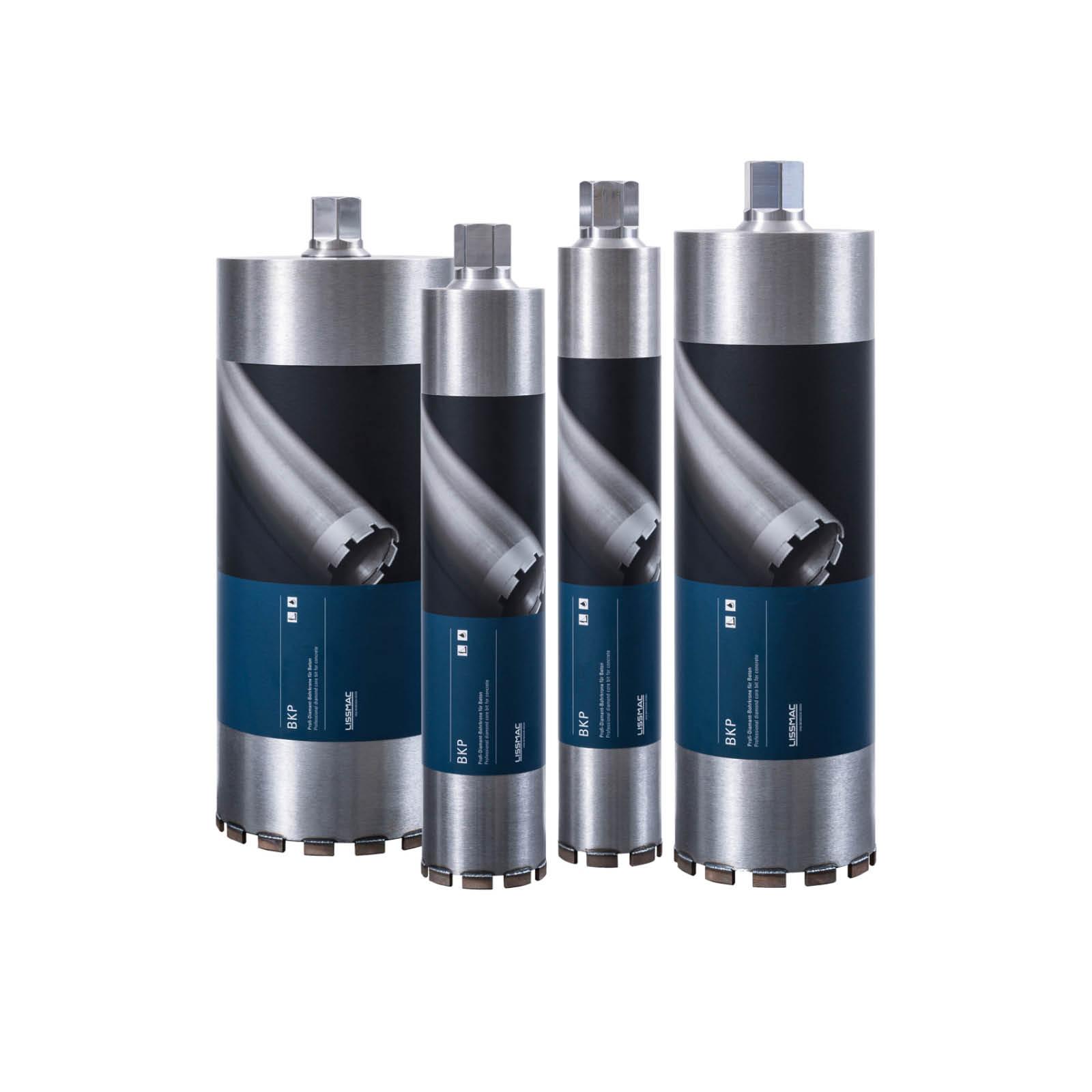
When performance counts: practical test confirms the difference
Impressive results from real-world applications Independent tests such as these demonstrate what really matters when drilling into concrete – and confirm our unwavering commitment to performance and quality. A big thank you to Carotteur de France for conducting and transparently evaluating this comparison. One finding stands out in particular:The decisive factor lies in the diamond segments. This is precisely where we focus our efforts to ensure maximum efficiency when drilling in reinforced concrete. You can find all the tests and results here: Would you like to find out more about our core drill bits? Core drill bits for a wide range of applications Individual segments Retipping of core drill bits Custom lengths and diameters Core drill tubes and adapters All kinds of accessories Please feel free to contact us – we will advise you on the best solution for your application.
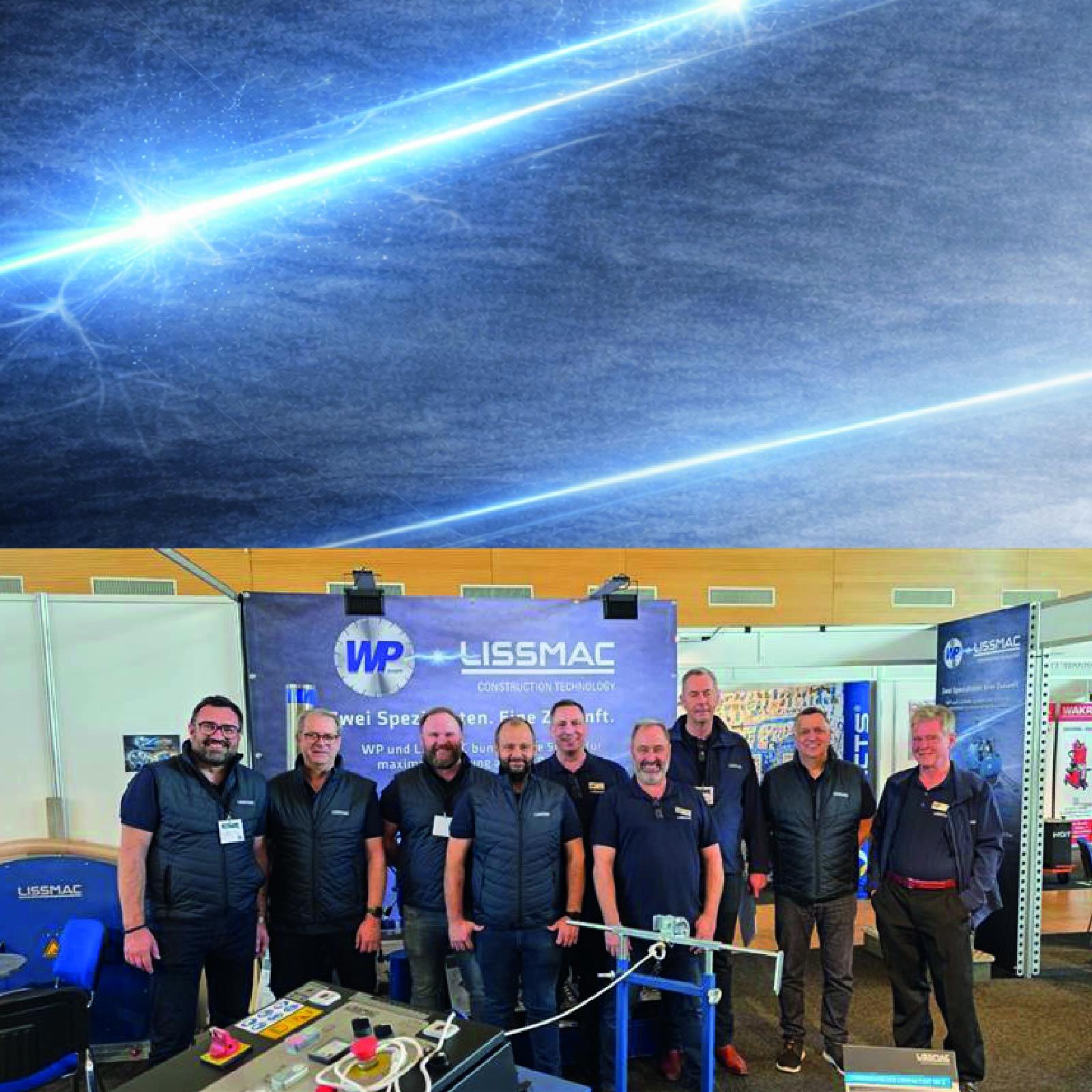
BeBoSa 2026 in Willingen – A Successful Trade Fair Highlighting Strong Partnerships
BeBoSa 2026 in Willingen is now behind us, and we look back on an all-around successful event. We were especially pleased with the great response at our booth and the numerous conversations with customers, partners, and prospects. At the center of attention were our solutions in concrete drilling, sawing, and joint cutting. The consistently positive feedback and the noticeable interest confirmed that practical, high-performance technologies remain in demand—especially when provided from a single source. Two Specialists, One Future “Tools and machines from a single source” represents bundled expertise and experience. The result for our customers: perfectly coordinated systems, clear points of contact, and greater efficiency in daily operations. BeBoSa has given us valuable insights—for existing partnerships as well as for new projects. We are taking many ideas and approaches with us and look forward to developing them further together. A heartfelt thank you to everyone who visited us. We look forward to seeing you again.